海洋性微細藻類を用いた持続可能な事業開発
Sustainable business development using Marine Microalgae
二次的な産業利用が可能な海洋性微細植物-Marine microorganisms with secondary industrial uses-
自然由来で安全な二次的産業製品の創生-Creation of natural and safe secondary industrial products-
海洋性微細藻類とは?
What are marine microalgae?
藻類とは?
What are algae?
What are algae?
植物のうち、以下の植物を除いた植物を指します。
陸上で繁栄している「コケ植物」「シダ植物」「裸子植物」「被子植物」
非常に多様性に富んだ生物群である。
This refers to plants excluding the following:
Bryophytes, ferns, gymnosperms, and angiosperms, which thrive on land.
This is an extremely diverse group of organisms.
微細藻類とは?
What are microalgae?
What are microalgae?
これらの藻類のうち個体の識別に顕微鏡が必要な藻類が微細藻類と呼ばれます。
微細藻類は、水圏の基礎生産を支えており、自然界できわめて重要な役割を担っています。
また、微細藻類は、増殖特性や藻体成分が種類によって極めて多様性に富んでいます。
(例1)緑藻クロレラ
光合成能が高く従属栄養でも増殖可能
(例2)藍藻スピルリナ・緑藻スピルリナ
他の生物が増殖しにくいアルカリ性や高塩分の環境下で生育できる
健康食品、食品素材、餌料、飼料添加物としての利用が行われています。
Among these algae, those that require a microscope to identify individual species are called microalgae.
Microalgae support primary production in the aquatic environment and play an extremely important role in nature.
Microalgae also have extremely diverse growth characteristics and algal components depending on the species.
(Ex1) Chlorella (Green Algae)
They have high photosynthetic ability and can grow heterotrophically.
(Ex2) Spirulina (Blue-Green Algae) and Spirulina (Green Algae)
They can grow in alkaline and high-salinity environments where other organisms have difficulty growing.They are used as health foods, food ingredients, feed, and feed additives.
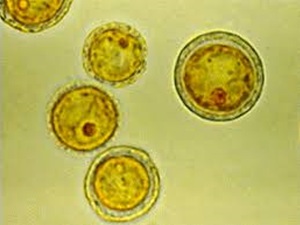
海洋性微細藻類の実例
Examples of marine microalgae
Examples of marine microalgae
【学名(Scientific name)】 Thoracosphaera heimii
【原産地(Place of origin)】フランス(France)
※左写真(Left photo)
- 海洋性微細植物(藻類)であり海産渦鞭毛藻の一種。
A type of marine microalgae and marine dinoflagellate.
- 細胞壁の最外部に石灰質の多角形構造を持つタイプと持たないタイプが存在する。
There are types that have calcareous polygonal structures on the outermost part of the cell wall and types that do not.
- 細胞内部の構造は細胞周縁部に葉緑体が分布し、中央部には大きな核が存在する。
一方、石灰質の多角形構造をもたない細胞の葉緑体は周縁部に存在せず大きく数が少ない。
The internal structure of the cell is such that chloroplasts are distributed around the cell periphery and a large nucleus is located in the center. On the other hand, chloroplasts in cells that do not have calcareous polygonal structures are not on the periphery and are large and few in number.
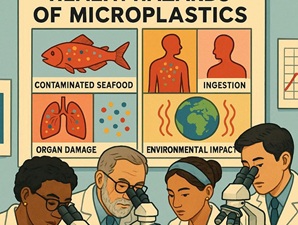
「一次マイクロプラスチック」代替素材としての可能性
Potential as an alternative material to "primary microplastics"
Potential as an alternative material to "primary microplastics"
- マイクロビーズとは目に見えない程の微細球状のビーズを指します。
大きさの定義は正確には決まっていませんが、環境省資料によると、数ミクロン~数百ミクロン(0.001mm~0.1mm)程度とされています。(マイクロプラスチック)
Microbeads are spherical beads that are too small to be seen with the naked eye.
Although there is no precise definition of their size, according to materials from the Ministry of the Environment, they are considered to be between a few microns and several hundred microns (0.001mm to 0.1mm).
(Microplastics)
- 「一次マイクロプラスチック」とは?
What are "primary microplastics"?
一次マイクロプラスチックとは、化粧品やボディケア用品・工業用研磨剤といったアイテムに使用される、小さな球状のプラスチックビーズです。
身のまわりのプラスチック製品を製造する際に使われる米粒状のプラスチック粒も、一次マイクロプラスチックに含まれます。
Primary microplastics are small, spherical plastic beads found in items such as cosmetics, body care products, and industrial abrasives.
The rice-sized plastic particles used in the production of everyday plastic products also fall into the category of primary microplastics.
- 「マイクロプラスチック」の問題
The problem of microplastics- 環境への影響(Environmental impact)
歯磨き粉や洗顔料に含まれるマイクロプラスチックは、排水フィルターを簡単にすり抜けてしまい、除去することができません。
その結果、マイクロプラスチックが海や川に流れ出てしまい、水の中に住む生き物たちがエサと間違えて食べてしまう可能性があります。
例えば、東京農工大学が東京湾に生息するカタクチイワシ64尾の体内を調べたところ、80%程度の49尾からマイクロビーズが検出されたとの報告があります。
マイクロプラスチックの原料となるプラスチックは、環境中に含まれる微量の化学物質を吸着する性質を持っています。
これが生物の体内に入れば、生態系の破壊につながる恐れがあるのです。
Microplastics contained in toothpaste and facial cleanser easily slip through drainage filters and cannot be removed.
As a result, microplastics flow into oceans and rivers, where aquatic creatures may mistake them for food and ingest them.
For example, when Tokyo University of Agriculture and Technology examined the bodies of 64 anchovies living in Tokyo Bay, it was reported that microbeads were detected in 49 of the fish, or approximately 80%, of the specimens.
The plastic that is used to make microplastics has the ability to adsorb trace amounts of chemicals present in the environment.
If these enter the bodies of living organisms, there is a risk that they could lead to the destruction of ecosystems.
- 人体への影響(Effects on the human body)
マイクロプラスチックによる影響は、環境だけでなく人体にも及んでいます。
第一に、マイクロプラスチックの入ったアイテムを使うことによって、洗い流しきれなかった粒子が体内に残っている可能性があります。
使うアイテムによって、皮膚だけでなく口内や歯の間に挟まったり、洗顔の際に目に入ってしまったりすることも考えられます。
また、外に流出したマイクロプラスチックを魚たちが食べているということは、それらの魚介類が、わたしたちの食卓に並んでいるということでもあります。
それを裏付けるように、近年になって、人間の体内からマイクロプラスチックが検出されたと、多く報告されているのです。
一部では「マイクロプラスチックは排泄されるから大丈夫」という声もあるものの、マイクロプラスチックを体内に蓄積し続けた場合、血管や消化器官といった身体の大切なパーツを傷つける可能性もあります。
まだ研究ですべてが解明されているわけではありませんが、この先マイクロプラスチックの使用が続けば、人体への影響が複数見られるようになるかもしれません。
The impacts of microplastics are not only felt in the environment, but also on the human body.
Firstly, when using items containing microplastics, some particles may not be completely washed away and remain in the body.
Depending on the item used, microplastics may not only be absorbed into the skin, but may also become trapped in the mouth or between the teeth, or even get into the eyes when washing your face.
Furthermore, the fact that fish are eating microplastics that have been released outside means that this seafood is ending up on our dinner tables.
This is supported by the many reports in recent years of microplastics being detected in the human body.
Although some people say that microplastics are fine because they are excreted, if they continue to accumulate in the body, there is the possibility that they could damage important parts of the body such as the blood vessels and digestive organs.
Research has not yet elucidated everything, but if the use of microplastics continues in the future, we may begin to see several effects on the human body.
- 環境への影響(Environmental impact)
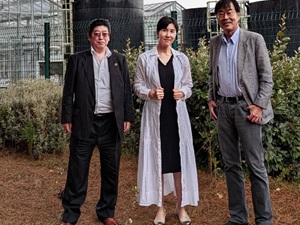
研究開発チーム
Research and Development Team
Research and Development Team
- ●写真中央
- 株式会社サクラバイオラボ 代表取締役
森田敦子-Atsuko Morita-- 植物療法士(株式会社サンルイ・インターナッショナル代表取締役)
- blanc magnolia(ブランマグノリア)訪問看護ステーション 代表
- フィトテラピーが日本に根付く20年以上も前に、パリ13大学医薬学部で植物療法を学び、日本での普及に尽力する第一人者。
帰国後は植物バイオ研究に関わり、数々の賞を授与。
また、AMPPフランス植物療法普及医学協会認定校「ルボア・フィトテラピースクール」の運営に着手するなど、植物療法の普及に努める傍ら、人生100年時代を見据え、産前産後や介護の現場を通じて女性の健康をトータルにサポートする可能性を探求。
- ●写真右
- 高橋哲也-Tetsuya TAKAHSAI-
- 北海道大学 医学部(博士号取得:ウイルス学)
- 高砂香料工業
(~文部省に出向:新潟大学医学部ウイルス学教室:文部省受託研究員) - 1997~フランス
国立生物化学タンパク研究所
フランス厚生省遺伝子治療研究チーム
WHO 国際がん研究センター研究員 - MIYOSHI Europe 客員研究員
- フランス・ナント大学ほか 客員研究員
- ●写真左
- 美商堂製薬株式会社 代表取締役
中村孝男-Takao Nakamura-- 新潟薬科大学 薬学部卒業
- 小野薬品工業株式会社
- 平成13年度補正予算「地域新生コンソーシアム支援補助事業」
アドバイザーとして参画「ハイドロキノン化粧品の応用開発」 - 「Japan Venture Award 2006」 起業家部門 奨励賞 受賞
- 「Association des Scientifique pour la Paix Mondiale」設立(フランス・リヨン)
- 「テロ対策特殊装備展’17」 バイオテロ抑止素材として出展
- 「ヒト免疫不全ウイルス感染予防素材」特許取得
- 2021年07月 「新型コロナウイルス」の不活化に成功
- 2025年04月 「芽胞形成バシラス属」の除菌に成功
- JAPAN MENSA会員
- 上級心理カウンセラー
- 性の健康医学財団 会員
- 日本エイズ学会 会員
- 東京生薬協会 会員
- 東京都調査業協会 会員
バイオテクノロジーの研究開発
株式会社サクラバイオラボ
東京都目黒区中目黒3-12-5
✉ sakura.earth.protection@gmail.com
☎ 03-5724-5331
℻ 03-5724-5332